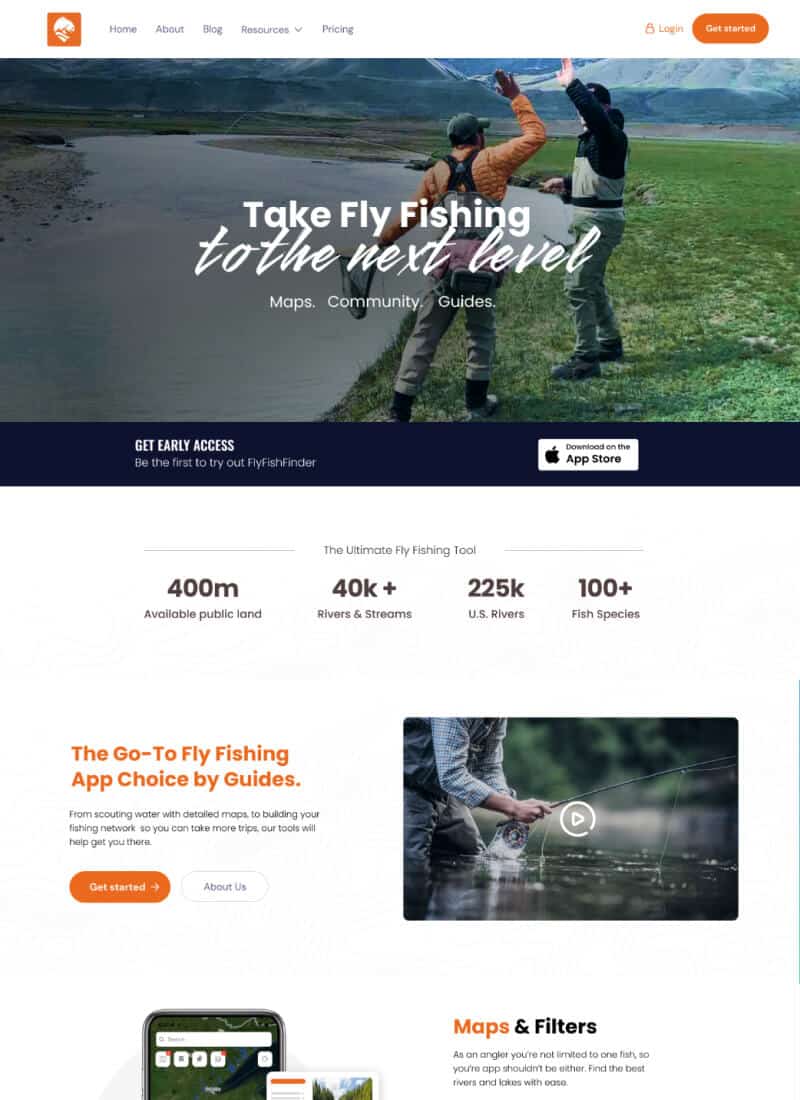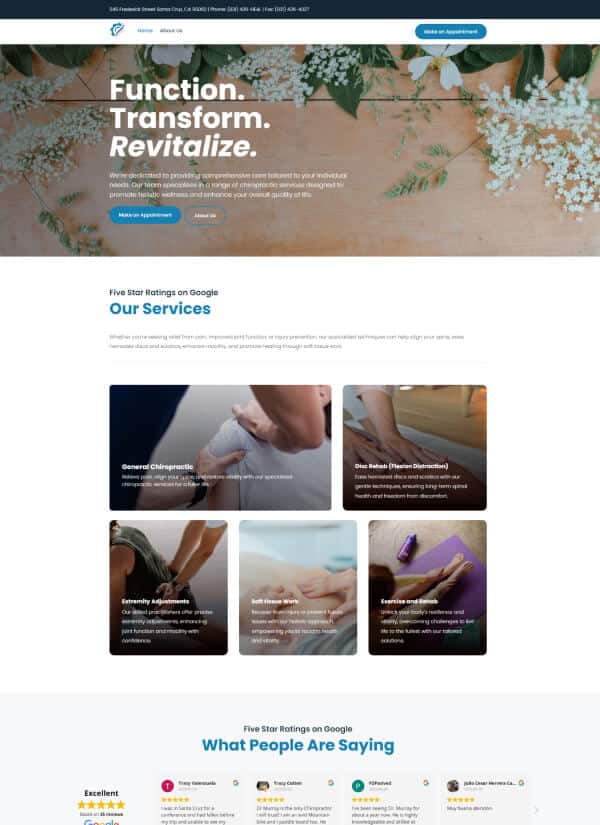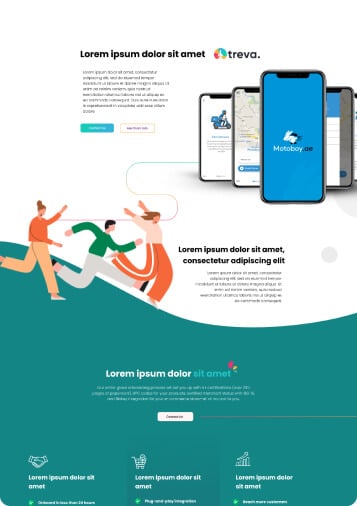
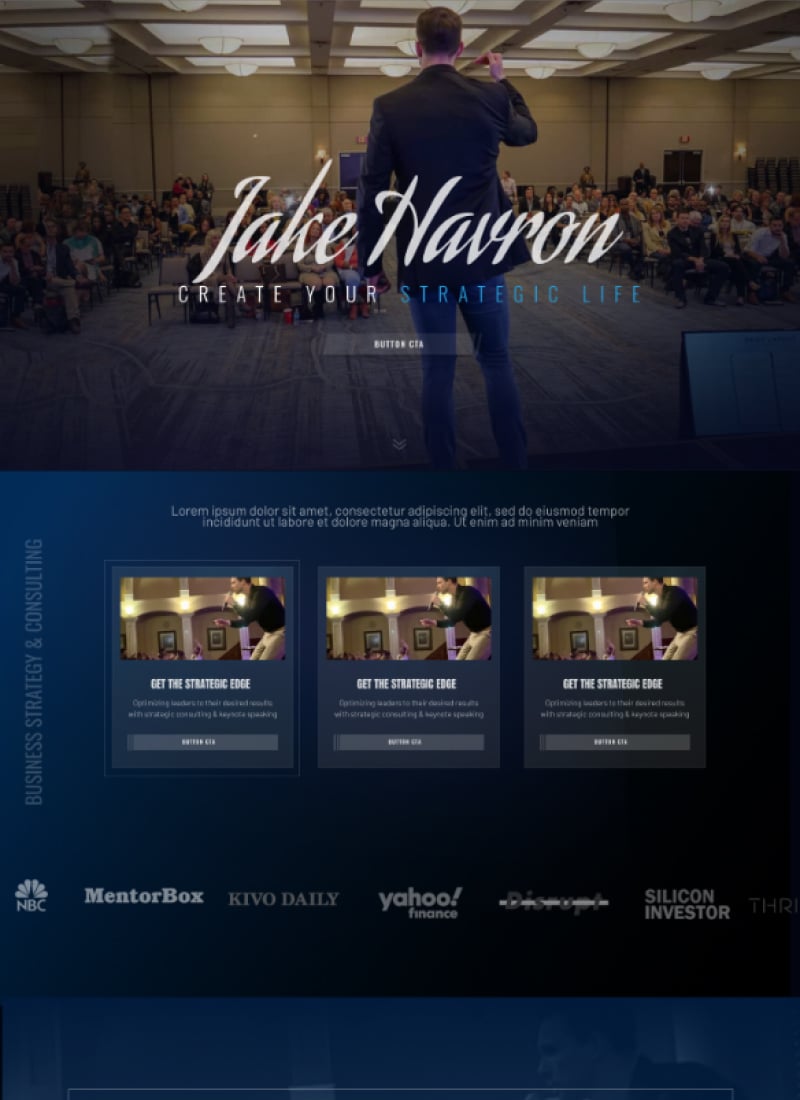
Here's a hard truth most business owners don't want to hear: your brand might be the reason people aren't hiring you. Not your pricing. Not your competition. Your brand.
When I say "brand," I'm not just talking about your logo. Your brand is the entire experience someone has with your business — from the colors on your website to the tone of your emails to the way your Instagram grid looks. It's the gut feeling people get when they encounter your name.
And if that gut feeling is "meh" or "confusing" or "outdated," you've lost them before they ever pick up the phone.
After years of building brands for small businesses and startups, I see the same mistakes over and over. Here are the five most common — and how to fix each one.
1. Your Visual Identity Is Inconsistent
Your website uses one color palette, your Instagram uses another, and your business cards look like they belong to a different company entirely. Sound familiar?
Inconsistency breeds distrust. When your visuals don't match across platforms, it signals to potential clients that you're disorganized — or worse, unprofessional. People want to work with businesses that have their act together.
"Consistency is the hallmark of professionalism. Every touchpoint is a chance to reinforce — or undermine — your brand."
The fix: Create a simple brand guide. It doesn't need to be 50 pages. Just document your primary colors (with hex codes), your fonts, your logo variations, and a few rules for how they should be used. Then actually follow it everywhere.
2. You're Trying to Appeal to Everyone
When you try to speak to everyone, you end up speaking to no one. I see this constantly — businesses with messaging so generic it could belong to any company in any industry. "We provide quality service with a personal touch." Cool. So does literally everyone else.
Your brand needs a point of view. It needs a specific audience. The businesses that grow fastest are the ones brave enough to say "this is who we serve and this is how we're different."
The fix: Define your ideal client with painful specificity. What do they do? What keeps them up at night? What words do they use to describe their problems? Then craft every piece of messaging to speak directly to that person.
3. Your Brand Looks Like 2015
Design trends evolve. What looked cutting-edge five years ago can make your business look stale today. If your website still has stock photos of people in suits shaking hands, gradient buttons from the flat-design era, or a logo that looks like it was made in Microsoft Word — it's time for an update.
This doesn't mean chasing every trend. But there's a baseline of modern, clean design that signals "we're current, we're relevant, and we're paying attention." Fall below that baseline and you look like you've checked out.
The fix: Audit your brand against competitors and industry leaders. Not to copy them — but to make sure you're not the one that looks like a time capsule. Fresh typography, clean layouts, and authentic photography go a long way.
4. You Don't Have a Clear Brand Voice
Your visual identity is only half the equation. The other half is how you sound. And most small businesses have no idea what their brand voice is — so their messaging swings wildly between corporate-speak and casual slang depending on who's writing that day.
A strong brand voice makes you recognizable even without your logo. Think about brands you admire — you could probably identify their writing in a lineup. That's not an accident. It's strategy.
The fix: Pick three to five adjectives that describe how your brand should sound. Are you bold and direct? Warm and approachable? Witty and irreverent? Use those words as a filter for every piece of content you create.
5. You're Leading With Features Instead of Feelings
Nobody cares that you use "cutting-edge technology" or "industry-leading processes." What they care about is how working with you will make their life easier, their business more successful, or their stress levels go down.
The most powerful brands in the world sell transformation, not specifications. Apple doesn't sell processors — they sell creativity. Nike doesn't sell shoes — they sell ambition. You need to do the same at your scale.
The fix: Rewrite your core messaging to focus on outcomes. Instead of "we build custom websites," try "we build websites that turn visitors into paying customers." See the difference? One describes a service. The other describes a result your audience actually wants.
The Good News
None of these mistakes are permanent. And you don't need a massive budget to fix them. Sometimes all it takes is stepping back, looking at your brand through your customer's eyes, and making a few strategic adjustments.
The businesses that invest in getting their brand right don't just look better — they charge more, attract better clients, and build the kind of loyalty that turns customers into advocates.
Your brand is either opening doors for you or quietly closing them. Which one is it?
Need help figuring out where your brand stands? Let's have a conversation.